

Most site managers don’t have a skills problem. Make no mistake. These crews often have some of the most resourceful and well-trained people on board.
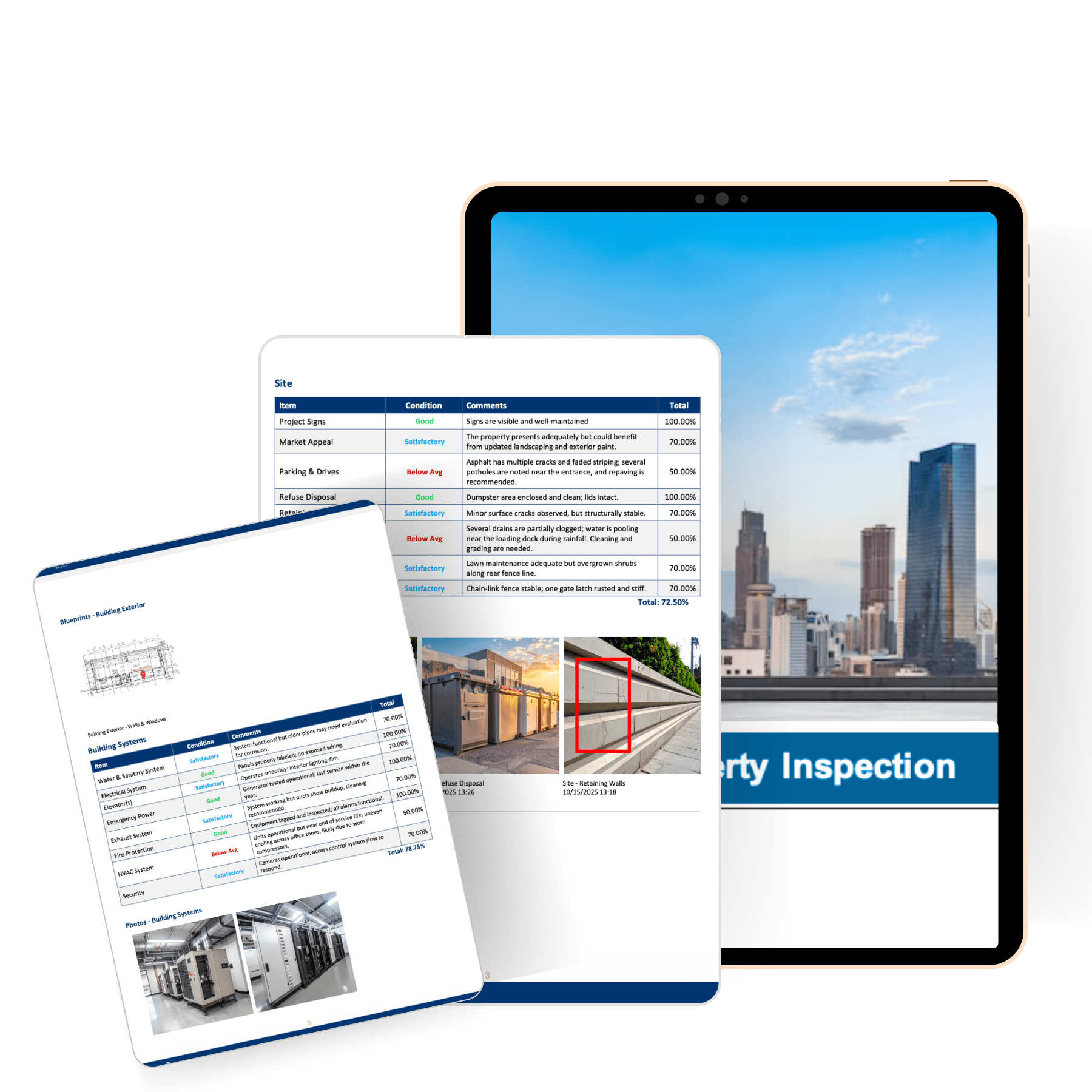
They are not only well-trained in project co-ordination & technical theory, but also have the type of character traits that are brilliant for management roles in the construction space. These ‘go-getter’ individuals are predestined to be hard workers. Using a good site inspection software will keep your compliance records in one platform and help your team stay audit-ready all year round so you can save time on admin.
The average site manager’s day runs well past 10 hours. According to numbers, 25% this time is eaten up by documentation and admin work alone. It’s not just the efforts of managing people, which sometimes is like herding cats, but the rework calls, the subcontractor chasing, and the three-way phone argument about whose drawing was current.
This guide breaks down what’s actually killing site productivity 90% of the time and what the best site managers do differently every day.
The Most Important Tasks for Site Managers
Safety → sequencing → communication → documentation.
- Safety for your team means keeping people from getting hurt. It’s the morning walk before the crew arrives. Spotting the trip hazard before someone finds it…with their ankle. It’s part of a culture you set.
- Reports of site compliance is critical for keeping safety standards met and lawsuits at bay. Project records and compliance reports should be.
Daily logs, inspection records, photo evidence are your sources of truth! They’re the difference between a variation getting paid and a dispute dragging for 6 painful months. - Sequencing and enforcing SOPs is achieved by doing things in the right order. How does this look though and really – why does it matter? easy, look at this example…
You get the trade order wrong, and you’re not just delayed; now you have to pay 2 team members to undo each other’s work. A concreting crew that pours before services are confirmed is a jackhammer bill waiting to happen. (We thought you may like that reference) - Communication is key, but mainly because it has such a huge and silent impact on your profit margins and budgets every month.
Most sites & projects bleed money without realizing it. Poor communication contributes to 20% of project delays and up to 50% of rework causes. Not weather. Not labor. Information not reaching the right person in time.

The core tension between making these easy shift?
Caution. The same risk-aversion that keeps sites safe is the exact thing slowing the industry’s evolution.
Table Of Costs For A Poorly Run Project Site
Before we get into solutions, it’s worth understanding how quickly poor site management can quietly eat into profits, timelines, and client trust.
| Problem | Real-World Result |
|---|---|
| Miscommunication (mixed messages) | 5–10% of total project costs eaten up |
| Labor inefficiencies (slow work or low standard of work) | $30–40 billion lost annually in the US |
| Admin – paperwork takes longer to work through than digital apps | Missed compliance audits, safety hazards, and documentation that was not completed leads to project failures |
None of these are random statistics or insights; they are truly recorded and spoken about in the construction community daily. The numbers show up in your margin on every single project.
1. Start the Day with a Proper Morning Briefing
This one sounds obvious. Most sites skip it anyway because we assume everyone we work with all the time is on the same page anyways, but the toolbox talks have a high ROI that justifies the extra minutes to touch base before the day kicks off.

A structured morning briefing that takes 10 to 15 minutes resets and realigns teams and attitudes around the site before a single nail is driven. Not a chat, but an actual structured rundown.
Toolbox Talk Checklist
- What’s getting done today, in order of priority ✅
- Any trade sequencing conflicts to watch ✅
- Safety reminders specific to that day’s work ✅
- Who’s waiting on what: materials, approvals, inspections ✅
Structured daily routines improve team predictability. When everyone knows what’s next, they stop waiting to be told. Initiative increases through giving people the confidence to make decisions and own the project outcomes, supported by clear direction.
Clear Conversations Are Cornerstones For Success
Communication problems don’t develop mid-project, randomly. They’re silently part of your daily back and forth’s with crew from day one. When nobody agrees on how updates flow or where project stage responsibilities rest. Who gets the updates, and who needs this information ASAP?

The fix isn’t complicated:
- Decide first
- One place for drawings: Not email threads, a site inspection app will work
- Urgent vs. non-urgent
Make Rework Your Personal Enemy
Rework is the quiet killer. It rarely shows up as a single line item. It hides in overtime. Where rework when instructions are given verbally, not confirmed in writing, or traceable digital print. The best site managers treat every defect noticed as a win, not a problem.
Build a Culture Where Problems Surface Fast
This one is cultural, not procedural, but it might be the highest-leverage change on this list. Get excited when people spot a defect (that sounds strange, but welcome issue spotting in order to take action to solve the issue at double the speed.
Taking on a problem-solving mindset, a solution-first outlook is the best way to incentivise teams to face problems head-on.
What Are Configurable Workflows?
Customizable workflows allow you to create unique step-by-step processes that fit the specific needs of your site or organization.
In the context of site inspections, this means you can set up a sequence of steps or checklists that ensure inspections are carried out consistently and according to your requirements. From conducting safety inspections to evaluating the progress of construction projects, customizable workflows ensure that every task is completed systematically and without errors.
- Construction Sites: Safety checks, project progress updates, equipment maintenance, and regulatory compliance tasks.
Facility Management: For facilities, workflows might include HVAC inspections, safety audits, and routine maintenance of equipment and infrastructure.
- Health & Safety Inspections: Compliance with health regulations, fire safety checks, and hazard assessments.


You must be logged in to post a comment.